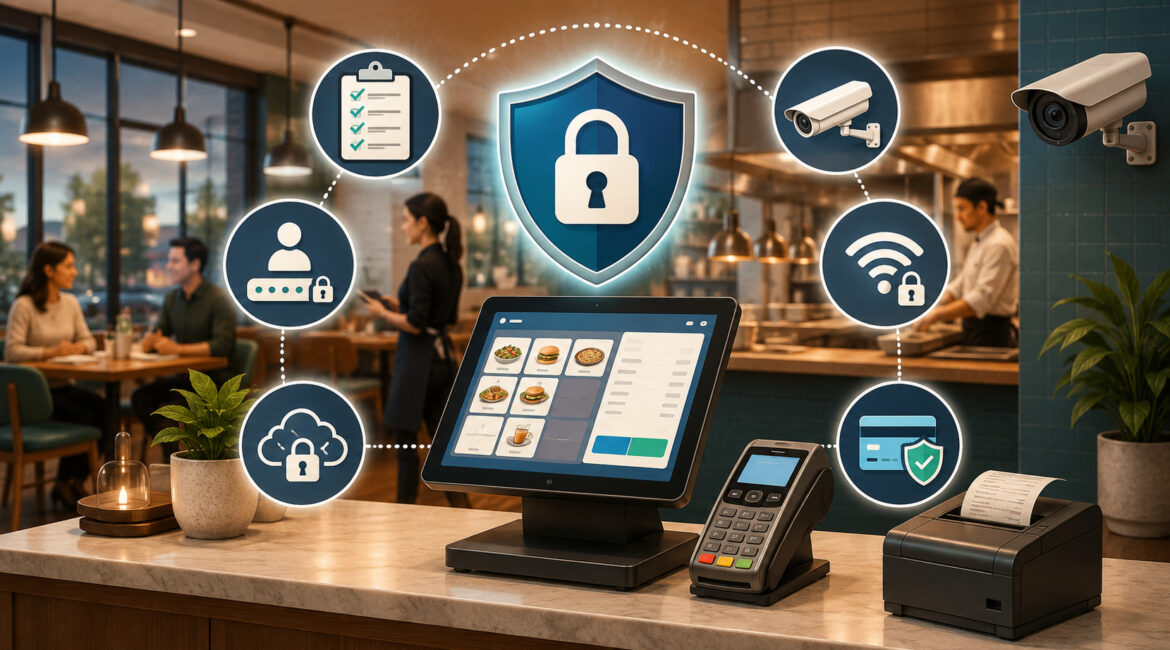
Restaurant point-of-sale systems sit at the center of modern restaurant operations. They process payments, send orders to the kitchen, record employee activity, manage discounts and refunds, store customer details, connect with delivery platforms, and provide sales reports to managers and owners. This convenience also creates responsibility. A poorly protected POS...
How to Set Up Kitchen Stations in a KDS
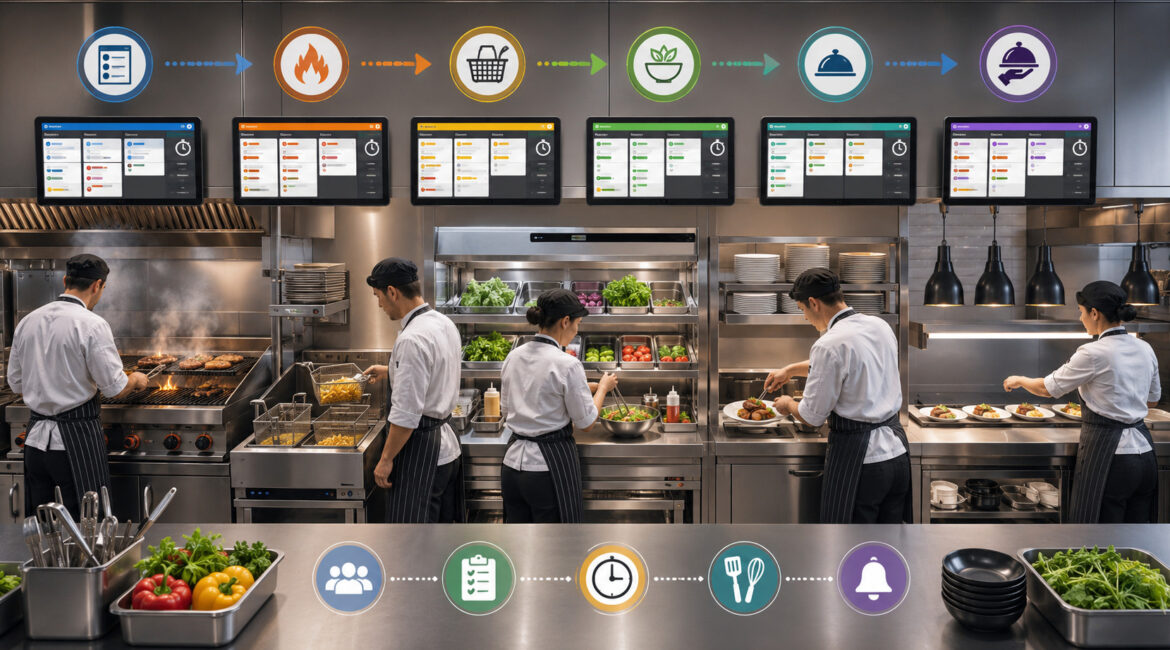
A kitchen display system can organize how orders move from the point-of-sale system to cooks, expediters, beverage teams, and packaging staff. However, installing screens alone does not create an efficient kitchen. The value comes from deciding what each station should see, when it should see it, and how completed items...
Common Restaurant POS Buying Mistakes
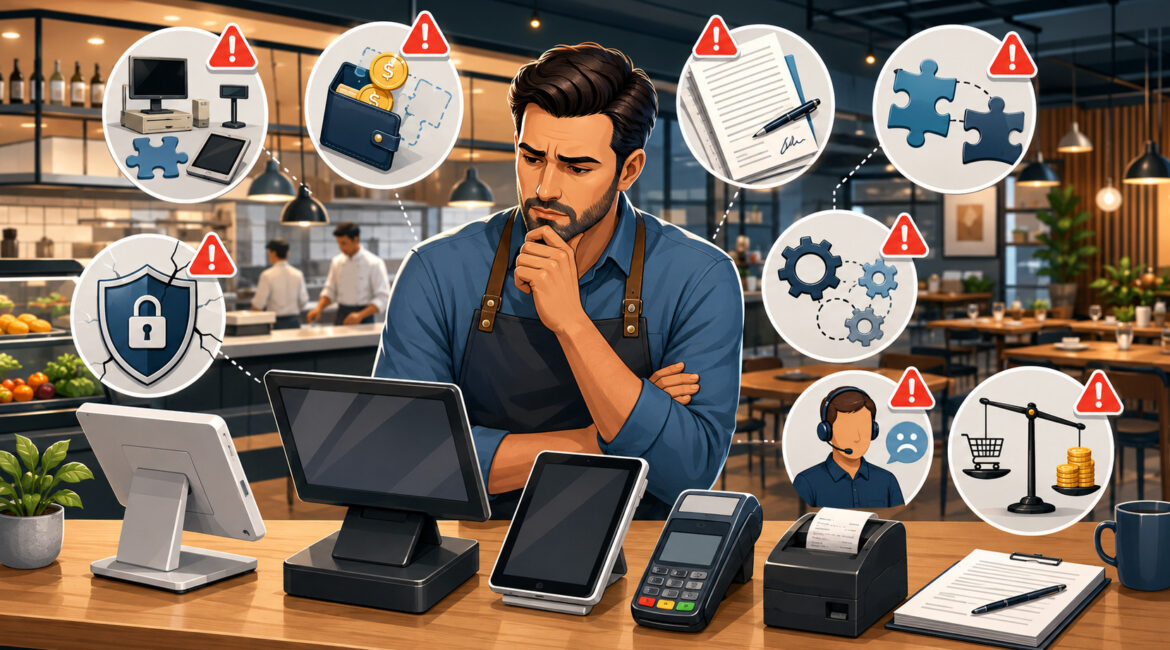
Buying a point of sale system is not simply a matter of replacing a cash register. The system may influence how employees enter orders, how tickets reach the kitchen, how guests pay, how managers review sales, and how owners monitor multiple locations. That reach makes restaurant POS buying mistakes especially...
Restaurant POS Contracts: Terms Owners Should Review
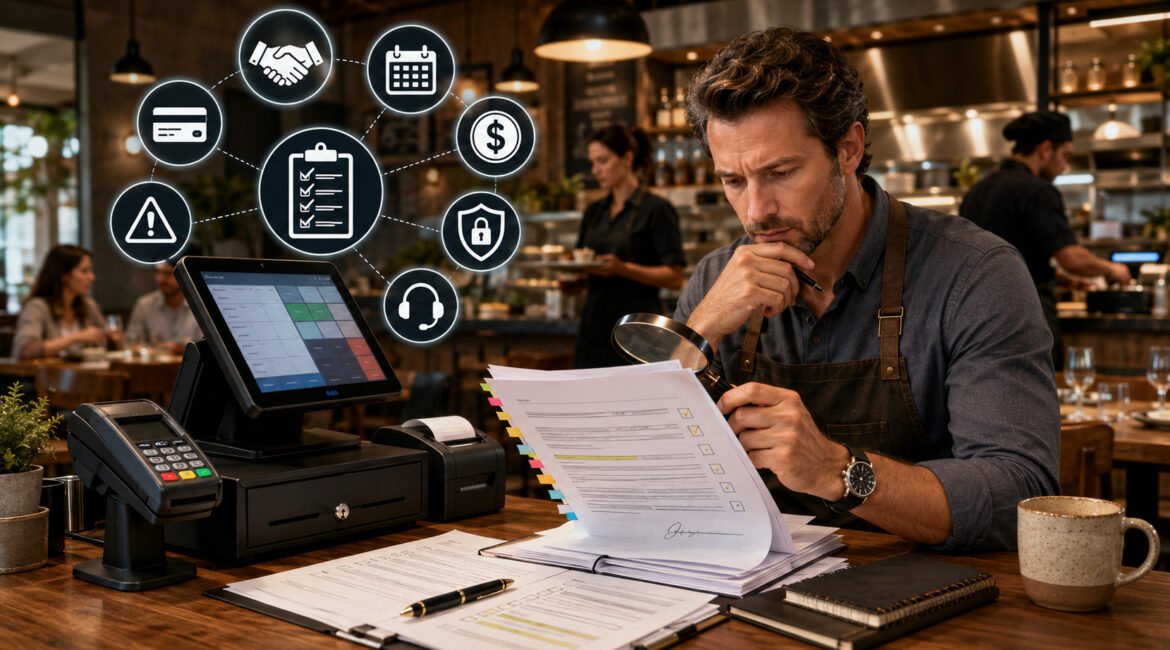
A restaurant point-of-sale system affects far more than checkout. It can control how orders move to the kitchen, how payments are accepted, how employees access the system, how sales are reported, and how customer and transaction records are stored. For that reason, restaurant POS contracts deserve the same careful review...
Restaurant POS System Requirements Checklist
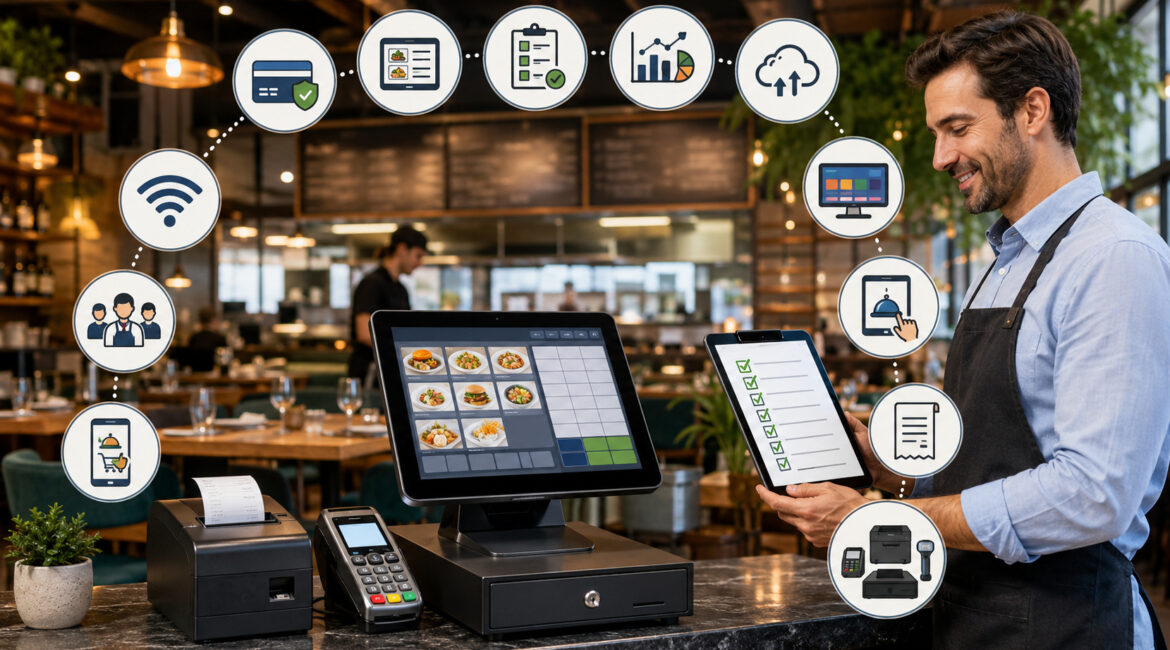
Choosing a restaurant point-of-sale system is not simply a matter of finding software that can accept payments. The POS often becomes the operational center of a restaurant, connecting order entry, menu management, kitchen communication, employee activity, payment processing, reporting, online ordering, inventory, and customer-facing services. That makes the selection process...
Restaurant POS Setup Guide for Small Businesses
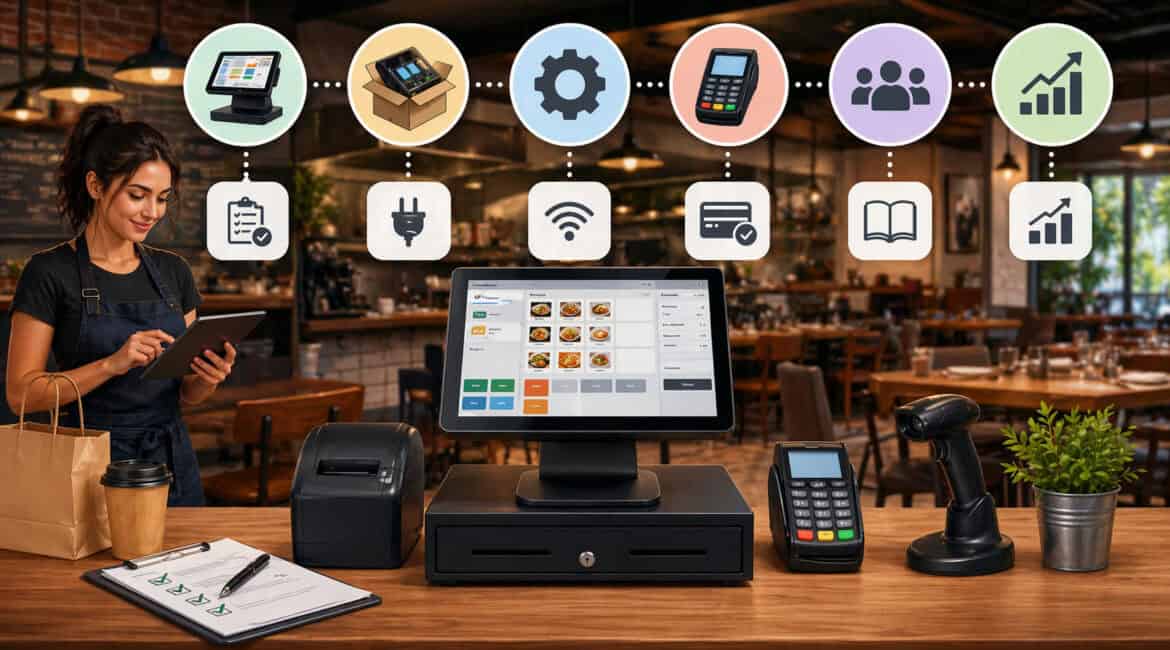
A strong restaurant POS setup does much more than turn on a screen and connect a card reader. It shapes how quickly orders move from the front counter or dining room to the kitchen, how accurately staff enter modifiers, how easily guests pay, and how clearly owners can track sales,...
How to Use POS Data to Optimize Your Menu (2026 Practical Guide for Restaurants)
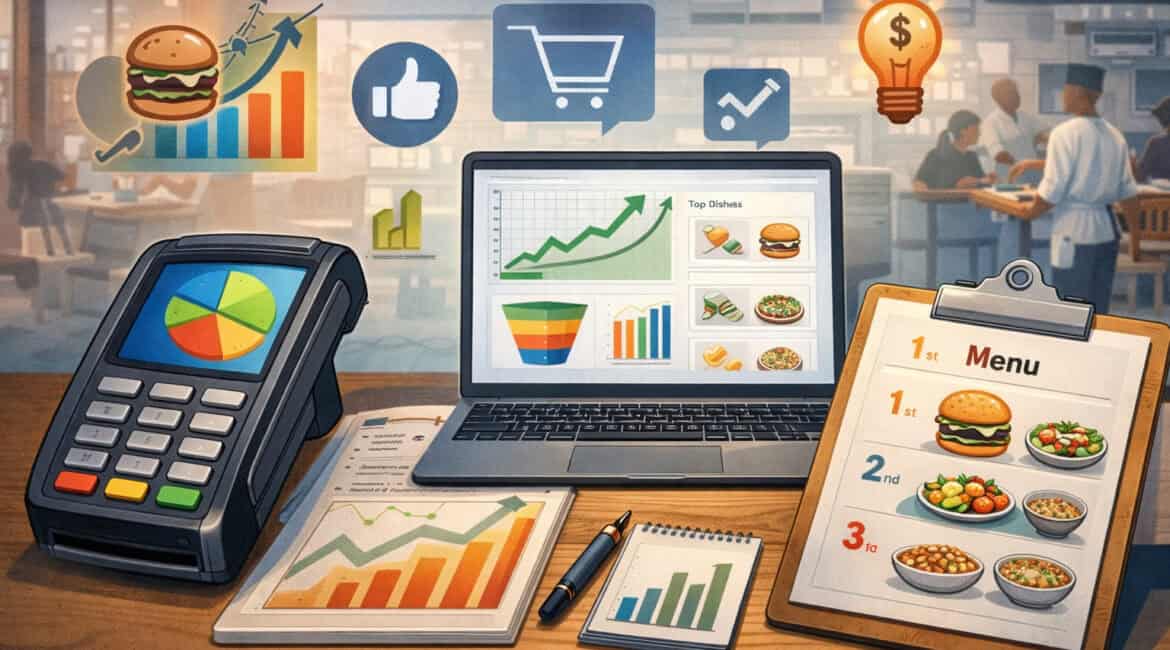
Running a restaurant on gut instinct alone is like cooking without tasting as you go. You might get lucky, but you’ll also miss problems that are hiding in plain sight—like a “popular” item that barely makes money, a discount habit that’s quietly eroding margins, or a lunch daypart that’s overstaffed...
Best Restaurant POS Systems for Small Businesses
If you’re shopping for the best restaurant POS systems for small businesses, you’re not just choosing a checkout screen—you’re choosing the operating system that controls speed of service, order accuracy, staff accountability, and (often) your restaurant payment processing costs. In 2026, restaurant POS solutions for small business owners have converged...
Restaurant POS Systems with Integrated Payments: Why It Matters (2026 Guide)
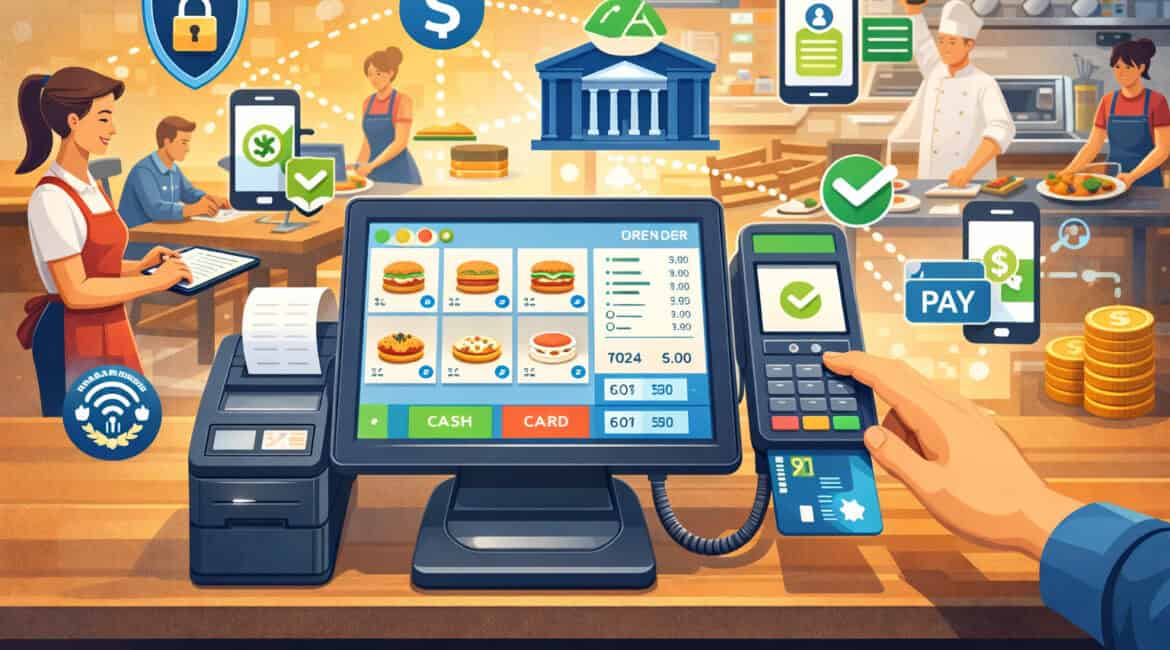
Choosing a POS is no longer just a “register decision.” In 2026, the POS is your ordering engine, labor controls, guest experience layer, and—most importantly—your payments hub. That’s why restaurant POS systems with integrated payments have become the default shortlist item for independent operators, cafés, quick-service restaurants, and full-service concepts...
How to Set Up a Restaurant POS System
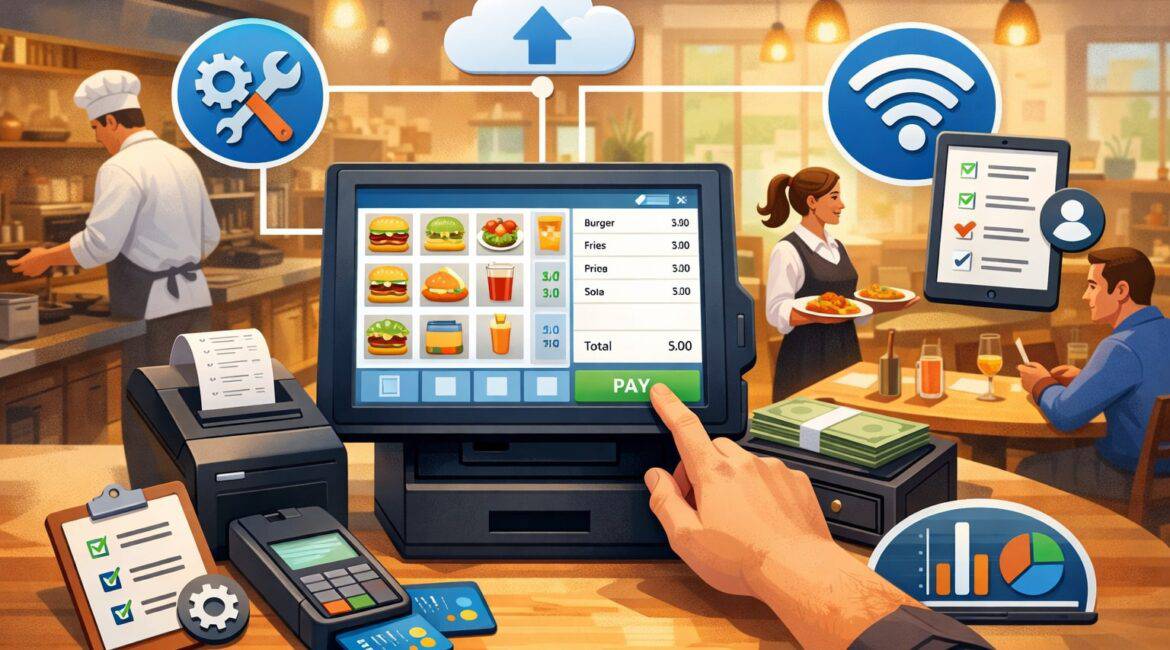
Setting up a restaurant POS system is one of the highest-impact upgrades you can make for speed of service, order accuracy, and profitability. The right setup does more than process payments—it becomes the “operating system” for your dining room, kitchen, takeout, delivery, payroll workflows, and reporting. But a restaurant POS...